

Ark Composites 2:1 Epoxy Resin
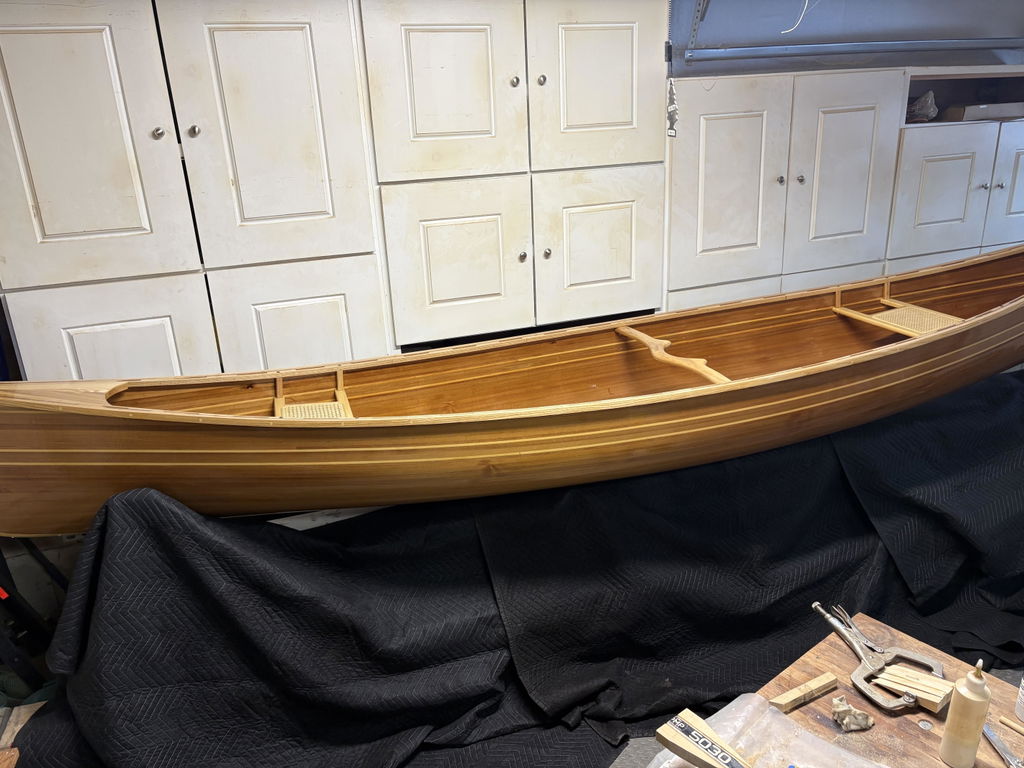
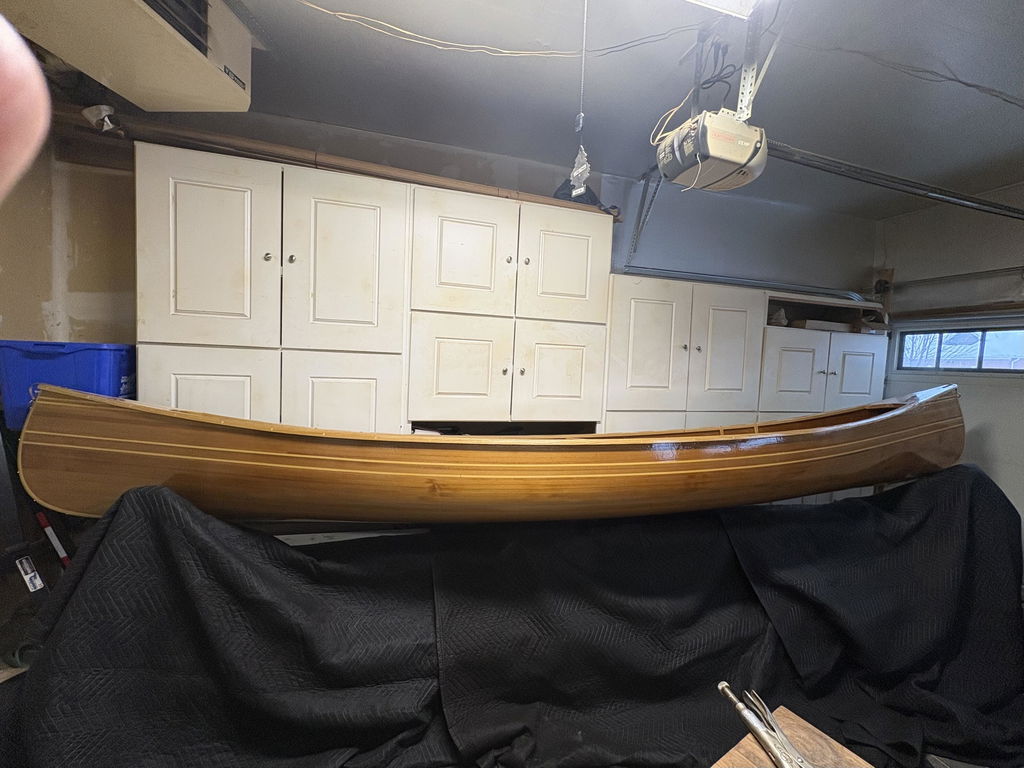
Glassing a cedar-strip canoe, sealing a plywood deck, gluing a cracked transom or fairing a hull: Ark Composites 2:1 Epoxy Resin is the one resin that handles all of it. It's water clear and doesn't blush, so you can roll on coat after coat without washing between them (the exception is work in freezing rain).
Projects it's made for
- Canoes and small boats: wet out fiberglass cloth, or laminate carbon and Kevlar.
- Wood protection: a waterproof coat for wood, metal and most porous surfaces.
- Structural glue and fillets: thicken it with colloidal (fumed) silica, cotton fibre or ARKTHIX so it stays put and fills gaps.
- Fairing: add microballoons or wood flour for a sandable fairing compound.
- Repairs beyond boats: fiberglass, metal and plastic fixes on ATVs, PWCs and polyethylene kayaks.
- Casting: clear or pigmented pours up to 1 in (25 mm) deep with Slow hardener.
Why builders pick it
The ratio is easy to get right. It's 2 parts resin to 1 part hardener by volume, and an Ark 2:1 pump set meters it for you. Mis-measuring is the main cause of soft cures, so don't eyeball it.
The hardener sets your pace. At 22 °C, Fast gives 8–10 minutes of pot life and is sandable in 6–8 hours. Medium gives 10–15 minutes and is sandable in 8–12 hours. Slow gives 15–20 minutes and is sandable in 15–24 hours, which is the one to choose for big layups and warm days. In a 12 °C garage, expect roughly twice the time.
Coats bond chemically. Put on the next coat while the last is still tacky, within about 2–6 hours. If more than 8 hours have passed or it's hard, sand with 80-grit first.
It's strong when cured. In lab tests with Medium hardener, the manufacturer measured 7,617 psi tensile strength, 14,339 psi flexural strength and 84–85 Shore D hardness.
Build your epoxy kit
- Hardener, which is required and sold separately: Fast, Medium or Slow
- Reinforcement: fiberglass cloth
- Application: solvent-resistant rollers and mixing supplies
Before you start
Surfaces need to be clean, dry, and free of oil, wax and paint. Wipe with acetone, not Varsol or petroleum solvents, and sand cured epoxy, fiberglass, metal and plastic. Let the epoxy cure fully (2–7 days at 22 °C) before painting or varnishing. Two-part polyurethane paint works best on top, and cured epoxy needs varnish or paint to stop it chalking in the sun.
Step-by-step help: Ark epoxy application guide · using the 2:1 pumps
Sizes
8 oz (237 mL) · 16 oz (473 mL) · 1 quart (946 mL) · 1/2 gallon (1.9 L) · 1 gallon (3.78 L) · 4 gallons (15.14 L)
Safety
ARK Epoxy Resin (Part A) is labelled WARNING: harmful if swallowed; causes skin irritation and serious eye irritation; may cause an allergic skin reaction. ARK Hardeners (Part B: Slow, Medium and Fast) are labelled DANGER: causes severe skin burns and eye damage; may be corrosive to metals; may cause allergy or asthma symptoms or breathing difficulties if inhaled; may cause an allergic skin reaction; may cause damage to organs (lungs, kidneys) through prolonged or repeated exposure. Vapours and mists are corrosive to the respiratory tract.
Wear chemical-resistant (nitrile) gloves, chemical splash goggles (no contact lenses) and long sleeves, and work in a well-ventilated area; do not breathe vapours or mists, and use an approved respirator if ventilation is inadequate. Clean epoxy off skin with soap and water, never solvents. Store at room temperature in the original, tightly closed containers, upright and off concrete floors; keep hardeners locked up and away from metals; do not freeze.